 PETALING JAYA: There should be greater houseowner protection, transparency, and a reduction in ministerial power to prevent potential misuse and ensure fair treatment of property owners in the implementation of the proposed Urban Renewal Act (URA), say stakeholders.
The Federation of Malaysian Consumers Associations (Fomca) vice-president Datuk Indrani Thuraisingham said redevelopment needs must be balanced with fairness, transparency, and sustainability.
“Without robust consumer safeguards, urban renewal risks displacing vulnerable communities and undermining public trust,” she said in an interview yesterday.
Indrani said that the legislation, recently tabled for its first reading in Parliament, lacks provisions to prevent displacement without secure, affordable rehousing options.
“Vulnerable groups, such as the elderly and low-income households, are particularly at risk. Renewal should preserve community bonds and cultural heritage, not destroy them,” she added.
Indrani called for structured community consultations, public hearings, and transparent communication to ensure genuine community engagement.
Regarding the tiered consent system, Indrani called for higher thresholds of at least 95% for buildings less than 30 years old and 90% for older ones, aligning with global standards.
“Fomca suggests adding a cooling-off and mediation period, similar to Japan’s condominium rebuilding process, to protect minority owners. Consent thresholds must protect genuine choice, not coercion,” she said.
Indrani also stressed the importance of compensation based on independent, government-vetted valuations, not developer assessments, and called for transparency in all decision-making processes.
“Owners must receive adequate and just compensation and not suffer financial loss,” she said, calling for the set-up of an Urban Renewal Tribunal for dispute resolution, similar to Singapore’s Strata Titles Board.
With an estimated RM332.5bil in potential gross development value in Kuala Lumpur, economist Dr Geoffrey Williams described the proposed URA as a transformative investment opportunity.
“Provided people are treated fairly and given the market price in compulsory purchase scenarios, this should be beneficial,” he said.
Williams emphasised the proposed Act’s role in revitalising and redeveloping properties and communities, which will boost housing supply – particularly affordable homes – and increase the value of abandoned and surrounding properties.
“It will modernise infrastructure and utilities, improving the environment and quality of life for people in affected neighbourhoods,” he said.
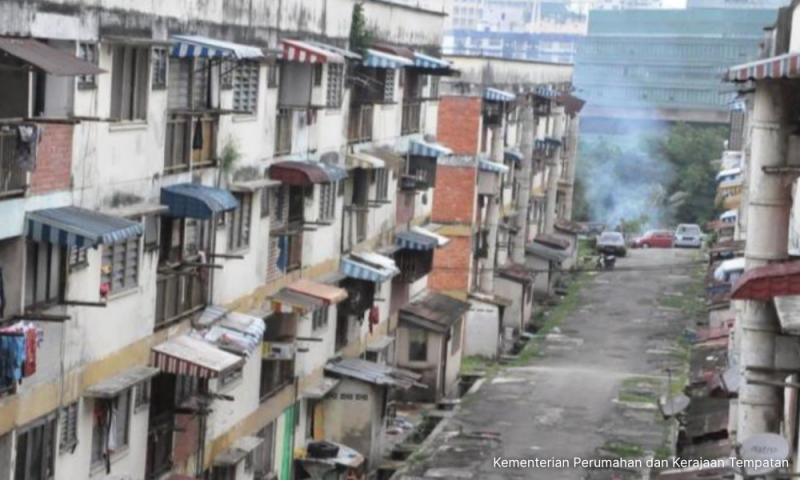
Williams added that the proposed legislation aims to streamline regulations, facilitating the redevelopment of properties that have suffered from poor management and abandonment.
“Many properties have deteriorated, becoming unsaleable, leading owners to abandon them or rent them out in unsanitary conditions,” he said.
He pointed out that management agents, rather than property owners, often oppose the reforms for self-serving reasons, as they stand to lose business.
“The proposed Act addresses renewal issues within the market. It should help save money at federal and state levels by avoiding the need for bailouts of failed developments,” he added.
Strata Property Owners Association Selangor and Kuala Lumpur adviser Law Hock Hua echoed the call for transparency and fair processes.
“The entire redevelopment project should be offered to qualified developers through public bidding or tender,” he said.
To ensure fair representation of property owners, Law recommended that the consent threshold be determined via a special general meeting of the joint management body or management corporation, requiring a 90% agreement.
“This should follow the comprehensive resolution method outlined in the Strata Management Act 2013,” he said.
Law also called for allowing current residents the first right of refusal to purchase new parcels, with compensation provided to non-residents.
Strata Owners Association Malaysia president Datuk Theng Book questioned the proposed Act in its current form, saying the legislation should specifically target buildings over 50 years old that have been certified as unsafe.
He suggested that ministerial powers should be curtailed, with government officials only intervening after an agreement between property owners and developers has been reached.
“The current provisions are unnecessary and could be open to misuse by authorities.
“Compensation is inherently insufficient and socioeconomic issues should be handled by an independent body,” he said.
Theng added that an advisory body should be formed, comprising professional engineers, lawyers, architects and reputable NGOs to certify building safety and manage compensation fairly.