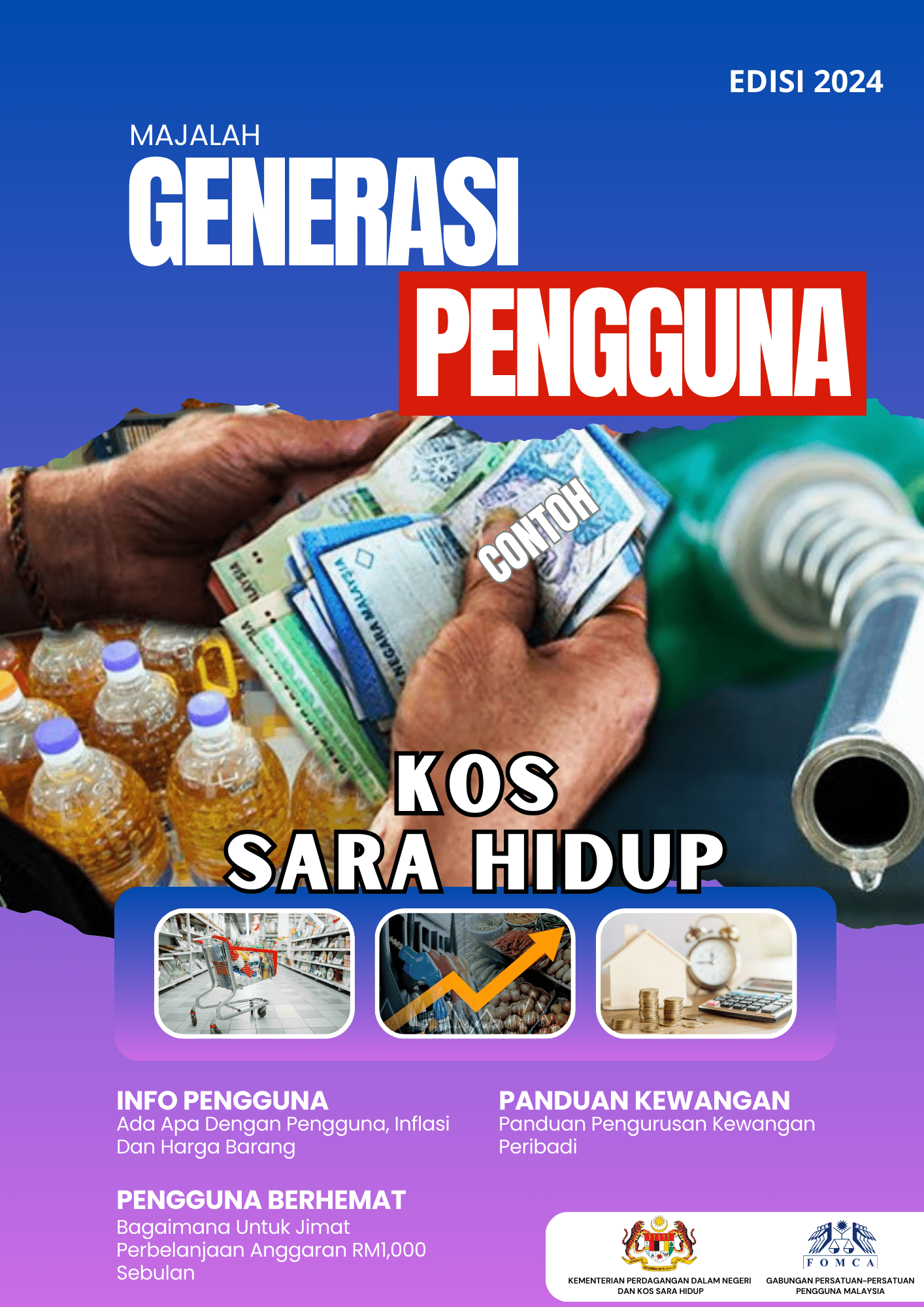
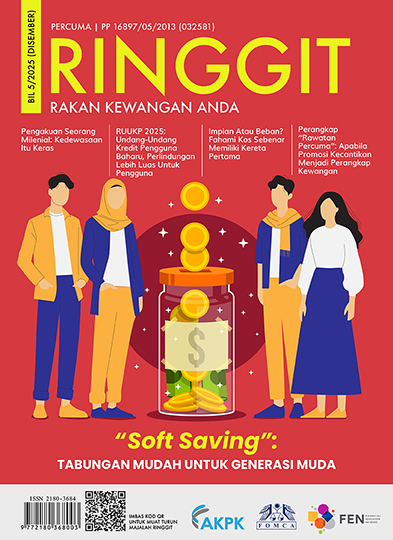
 PETALING JAYA: Consumer groups are calling on the government to use Budget 2024 to launch longer term strategies aimed at tackling the rising costs of living rather than simply making provision for subsidies.
Sukhdave Singh, the secretary-general of the Malaysia Consumers’ Movement, said subsidies cannot replace comprehensive policies, adding that there was need for the government to reassess its social benefit framework.
“The cost of essential goods continues to rise, impacted by global elements. Responding with subsidies is not a long-term solution.
“Subsidy is firefighting, but increasing supply is the real response. (The government must) invest in the agriculture sector while revisiting long-term policies,” he told FMT.
Sukhdave urged the government to consider adopting an autarkic policy aimed at achieving self-sustainability in food production, reducing the nation’s dependency on imports and lowering the import bill.
He also stressed that the healthcare sector needs special attention, noting that rising medical costs could lead to an increased reliance on public healthcare services, potentially overwhelming the system and causing its collapse.
“Invest in upgrading equipment and replacing older ones. Increase hospital beds to ensure that everyone gets the treatment they deserve, supported with sufficient medical personnel,” said Sukhdave.
Meanwhile, Mohideen Abdul Kader, the president of the Consumers’ Association of Penang, said that the government’s sustained reliance on subsidies may have adverse effects on borrowing and the nation’s overall debt.
He said geopolitical volatility in Southeast Asia was bringing uncertainty to food supply chains, resulting in food price inflation.
Mohideen suggested that food shortages could be mitigated by fostering the local agricultural sector’s growth.
“Malaysia needs foreign investments, and in the meantime, to develop a robust agricultural policy for food crops. Much research on agriculture has been done by local institutions of higher education, and the government needs to galvanise these institutions to contribute to the agricultural sector.
“The government should reduce 60% of imported food and at the same time focus on sustainable farming methods,” he said.
On the other hand, Federation of Malaysian Consumers Associations (Fomca) CEO Saravanan Thambirajah had a favourable view of subsidies, saying that they help alleviate the financial burdens faced by citizens.
“Without subsidies and cash aid, vulnerable consumers would suffer with the high cost of living and low purchasing power.
“The subsidies of energy, petrol, food items such as chicken and eggs, cooking oil, public transportation travel passes, and many more helped to cushion consumers (from their financial burdens),” he told FMT.
Saravanan said he would like to see the continued implementation of targeted subsidies, emphasising the importance of directing them to deserving recipients, such as those in the B40 and M40 income brackets.
He also suggested that the government offer some form of financial education to “empower” consumers to manage their finances effectively.